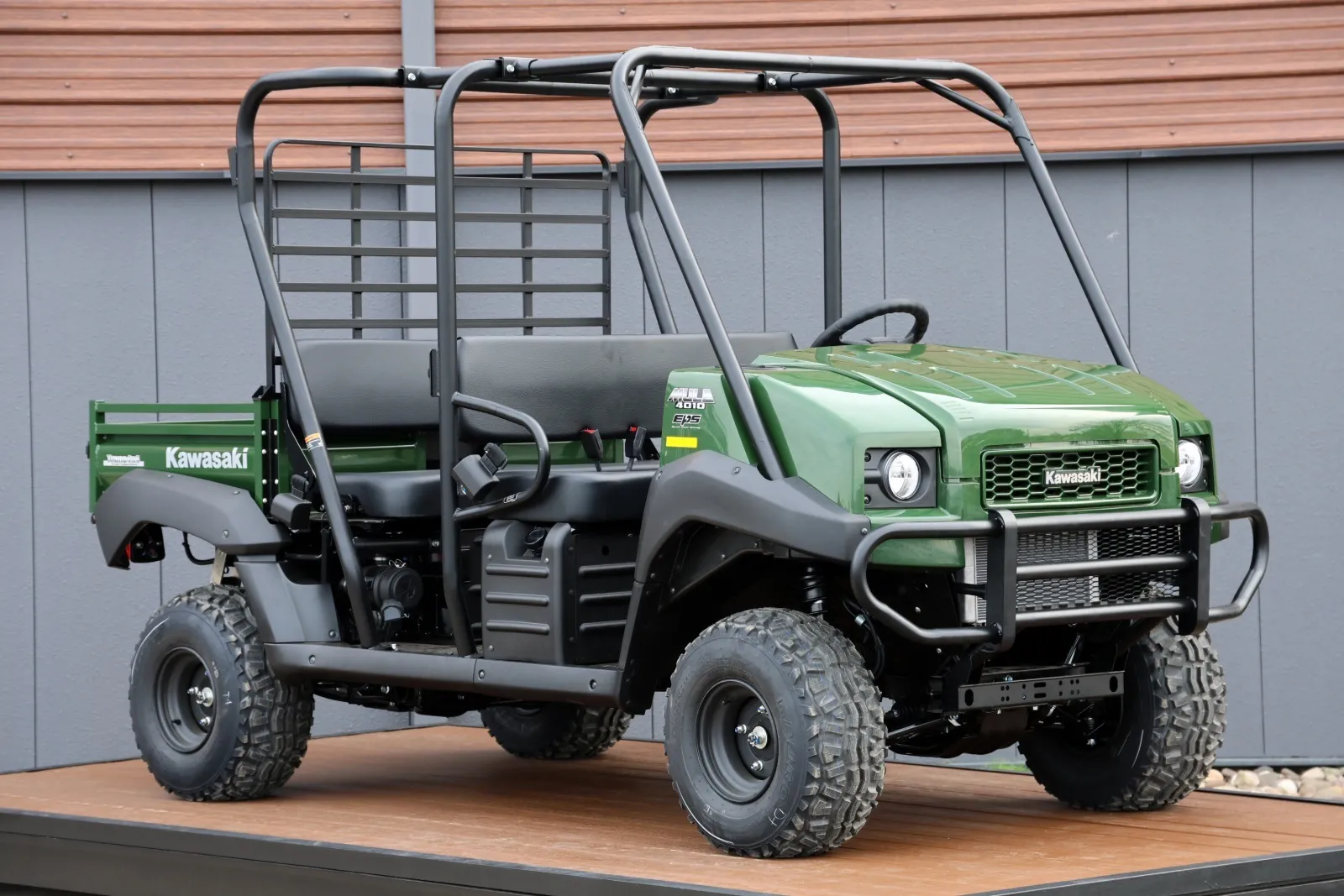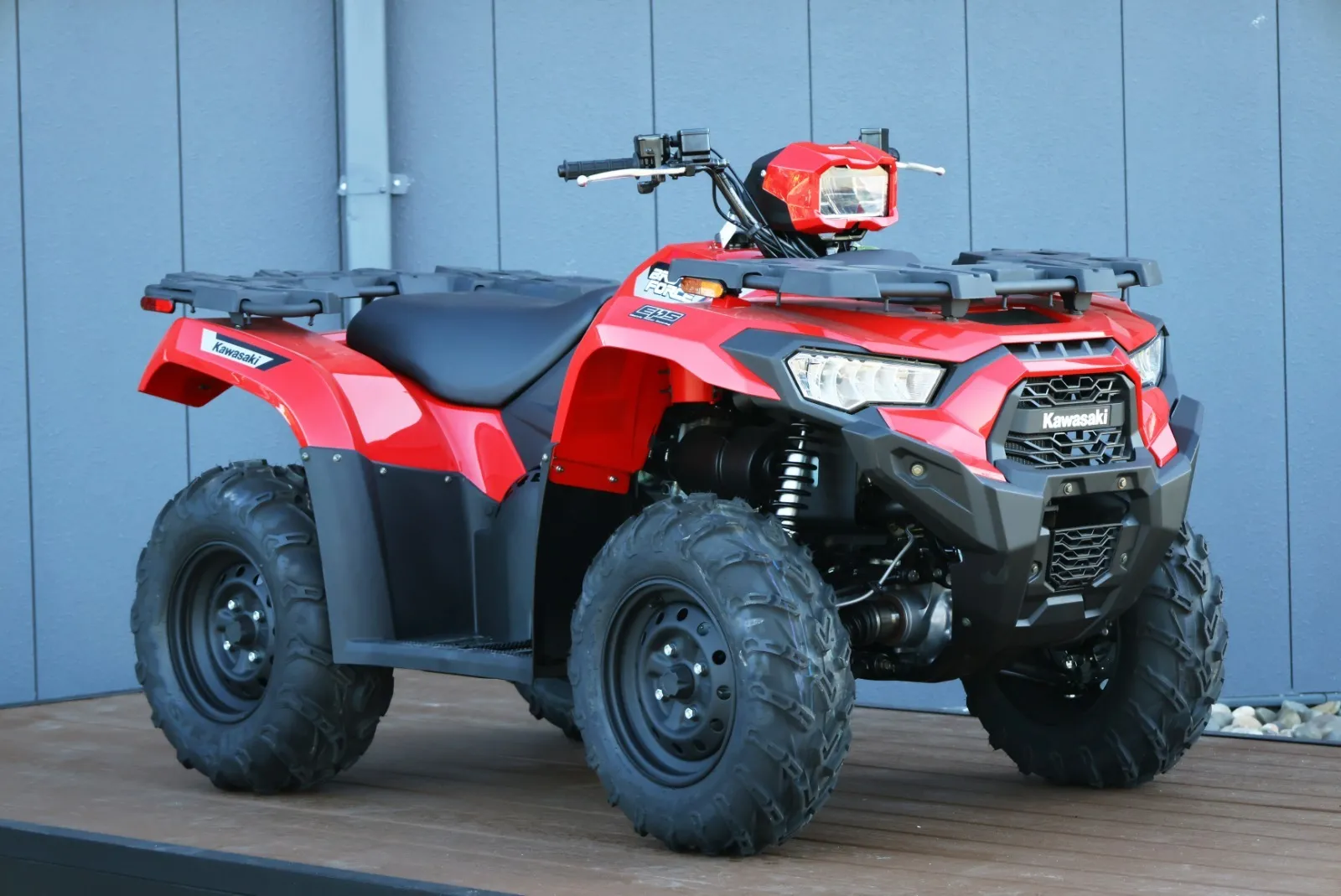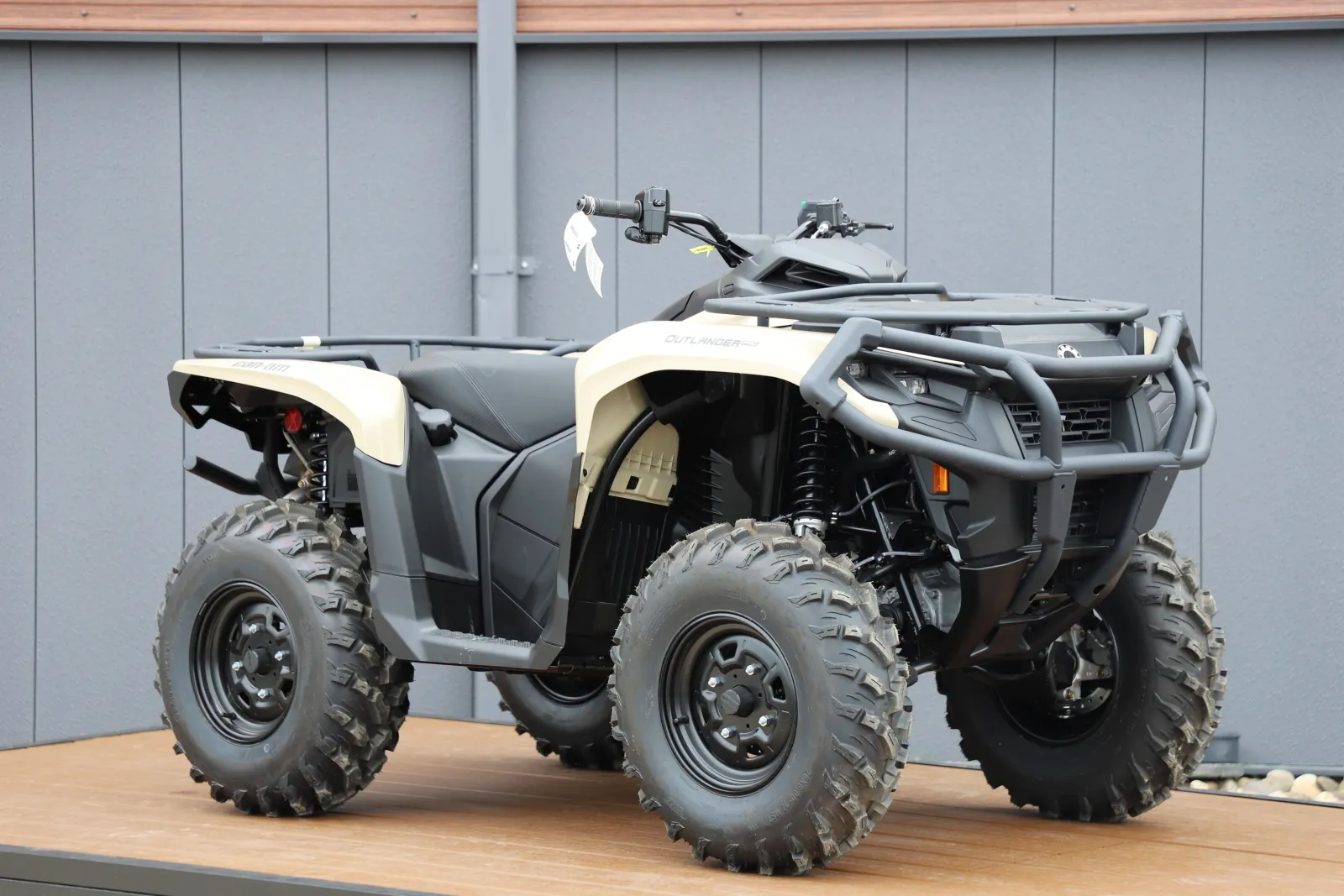
New vs. Previous Model Year vs. Used Powersports Vehicles
The newest model is not automatically the best value, and the lowest price is not automatically the least expensive choice. A current-model-year unit may bring the latest features and programs. A new leftover may offer meaningful savings with little mechanical difference. A used machine may include valuable accessories and avoid part of the early depreciation. The right answer depends on the exact units being compared.
When the newest model year makes sense
Choose the current model year when a new feature, revised chassis, engine update, safety improvement, color, trim, or accessory integration matters to you. It may also have the broadest selection and the newest manufacturer financing or promotional programs.
Do not pay more for a model-year change you cannot identify. Compare the manufacturer’s specifications line by line and ask whether the change affects the work, trail, passenger, comfort, or maintenance needs that actually matter.
When a previous-model-year new unit is the better buy
A leftover is still a new, untitled unit, but it belongs to an earlier model year. It can be an excellent value when the newer version changed mainly in color or minor equipment and the older unit qualifies for a rebate or dealer discount.
Verify the exact warranty start, eligible promotions, parts and accessory compatibility, finance program, and production date. A lower selling price can be offset by a different interest rate or by adding equipment that is standard on the newer trim.
When used delivers the most machine for the money
Used may win when condition is strong, the hours or miles fit the age, service history is available, and the installed accessories are useful to you. A roof, windshield, winch, luggage, protection, lighting, or comfort upgrades can represent real value—but only if the installation is sound and the equipment matches your needs.
Condition matters more than model year alone. Two machines with the same mileage can have very different histories depending on maintenance, storage, terrain, towing, modifications, and operator habits. Valley Cycle Center states that its pre-owned inventory receives a multi-point inspection before being offered for sale.
Use the same comparison for all three
- Equipped out-the-door price for the exact VIN or stock number
- APR, term, amount financed, monthly payment, and total of payments
- Factory warranty, any remaining coverage, dealer warranty, and optional service-contract terms
- Immediate service, tires, belt, chain, battery, brakes, fluids, or repairs needed
- Included accessories that you would otherwise purchase
- Hours or mileage, maintenance records, ownership history, title status, and lien status
- Open recalls or safety campaigns appropriate to the vehicle type
- Expected resale value based on age, condition, equipment, and local demand
A practical used-unit inspection
Start with a cold engine when possible. Check starting behavior, smoke, warning lights, leaks, noises, steering, brakes, suspension, frame and underbody damage, wheel bearings, tires, CV boots, belt or chain condition, charging system, switches, and accessories. Look closely at aftermarket wiring and modifications. Confirm the VIN on the machine matches the paperwork.
For on-road motorcycles, NHTSA provides a VIN-based recall lookup. For ATVs, UTVs, and off-road motorcycles, review the manufacturer’s information and the U.S. Consumer Product Safety Commission recall database. Ask whether open campaigns have been completed.
Compare total value, not only the payment
Manufacturer-subsidized financing on a new unit can sometimes narrow the gap with a discounted leftover or used machine. Compare the total of payments and cash due, not just the monthly number. Also price the accessories, service, and repairs required to put each machine into the same useful configuration.
The bottom line
Buy the current model when its changes matter. Buy the leftover when it delivers substantially the same result at a better total cost. Buy used when condition, history, inspection, equipment, and price create the strongest complete package. The best comparison is between three specific machines—not three broad categories.
Talk with Valley Cycle Center
Bring your intended use, must-have equipment, budget, trade information, and expected ownership period. The team can compare current incentives, model-year changes, inspected pre-owned inventory, financing, warranty terms, and accessory costs side by side.