Best ATVs and Side-by-Sides for Snow Plowing: What Should You Look For?
When winter arrives, an ATV or side-by-side can turn snow removal from a chore into a much more manageable job.
But not every machine makes an equally good plow vehicle.
Customers often ask us which ATV or side-by-side they should buy if snow removal is one of the machine's main jobs.
The answer depends on where you're plowing, how much snow you normally get and what else you want the machine to do.
ATV or Side-by-Side: Which Is Better for Plowing?
Both can work extremely well.
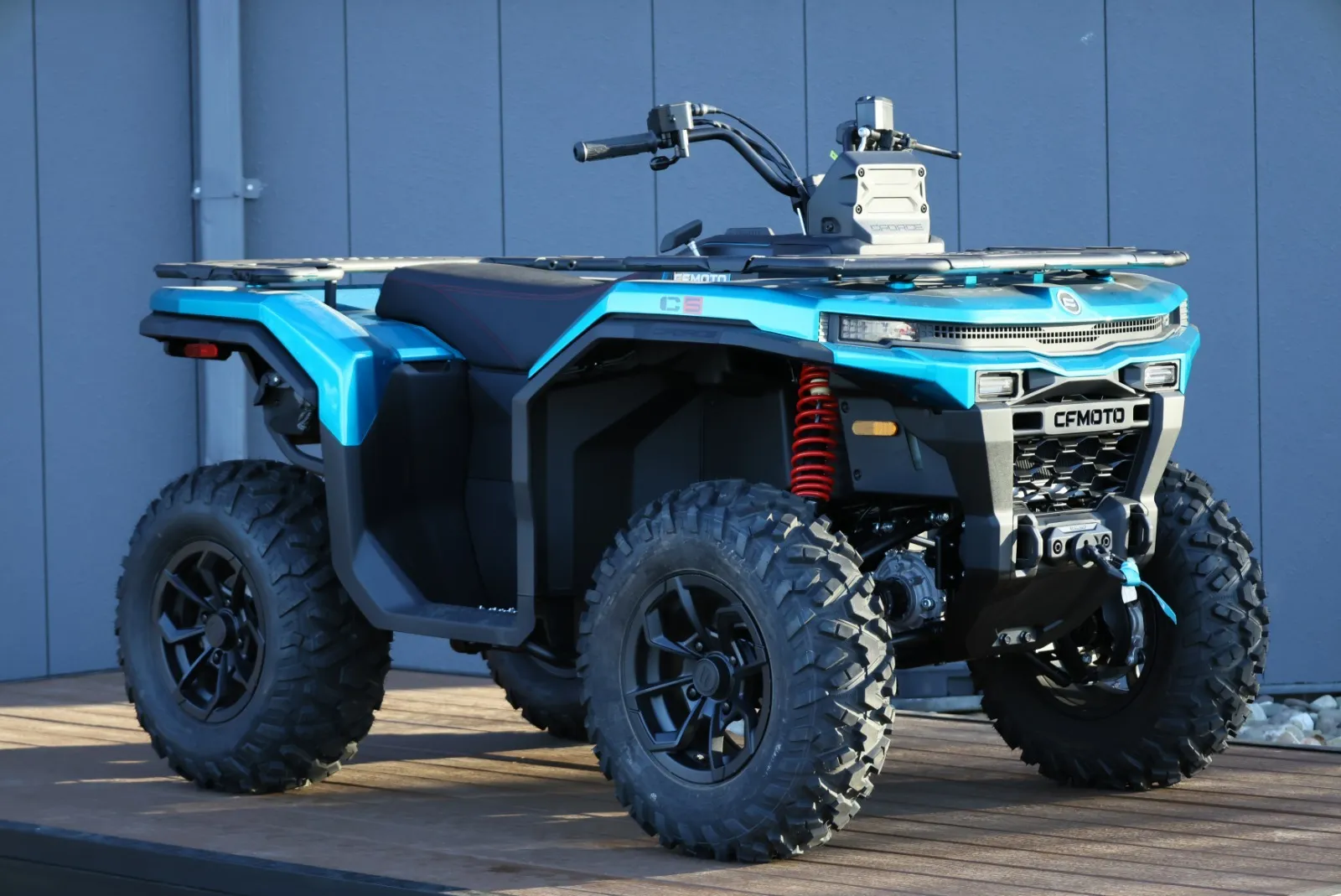
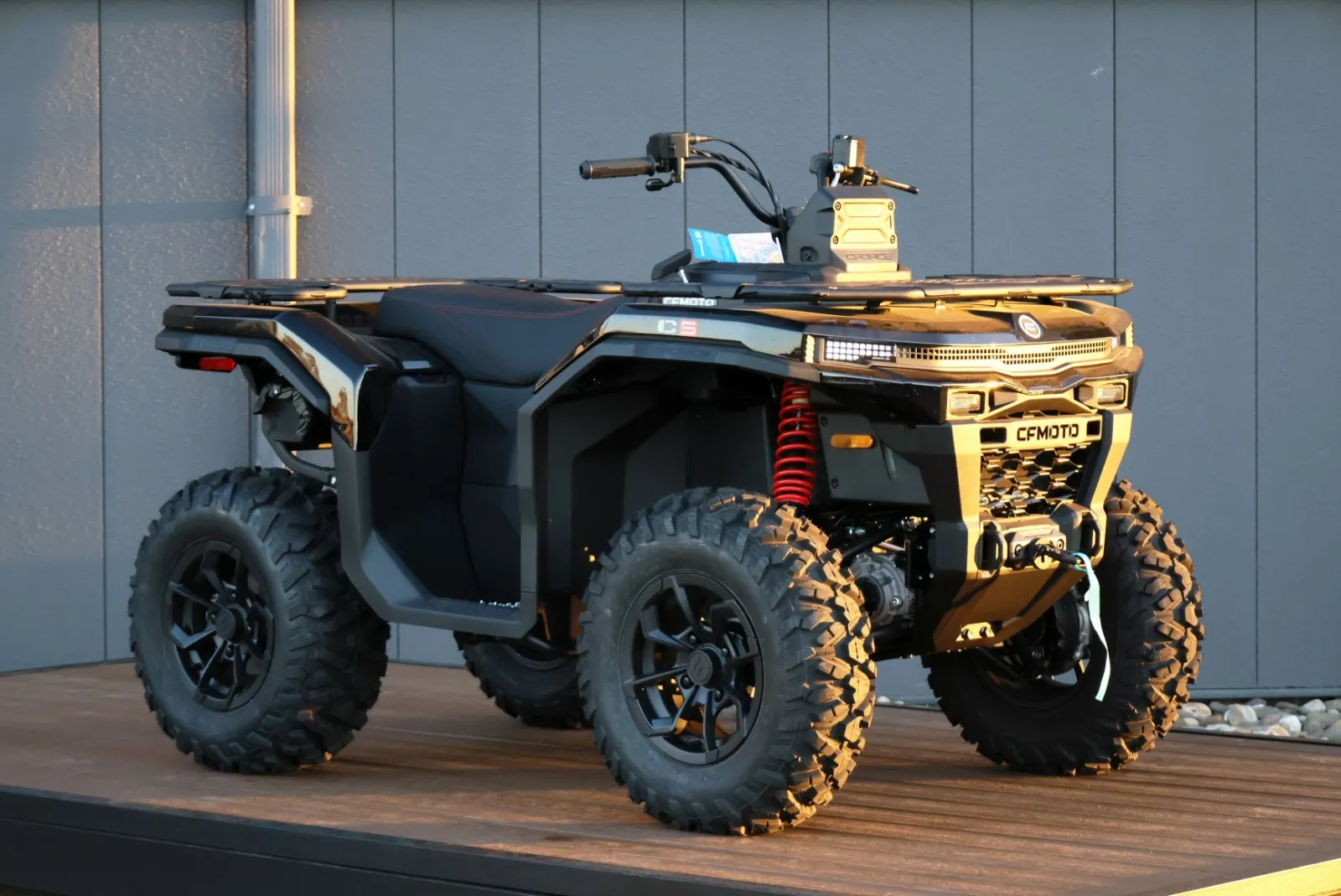
An ATV has some obvious advantages:
- Smaller footprint
- Easier maneuverability
- Easier storage
- Lower purchase price in many cases
- Excellent for sidewalks, shorter driveways and tighter areas
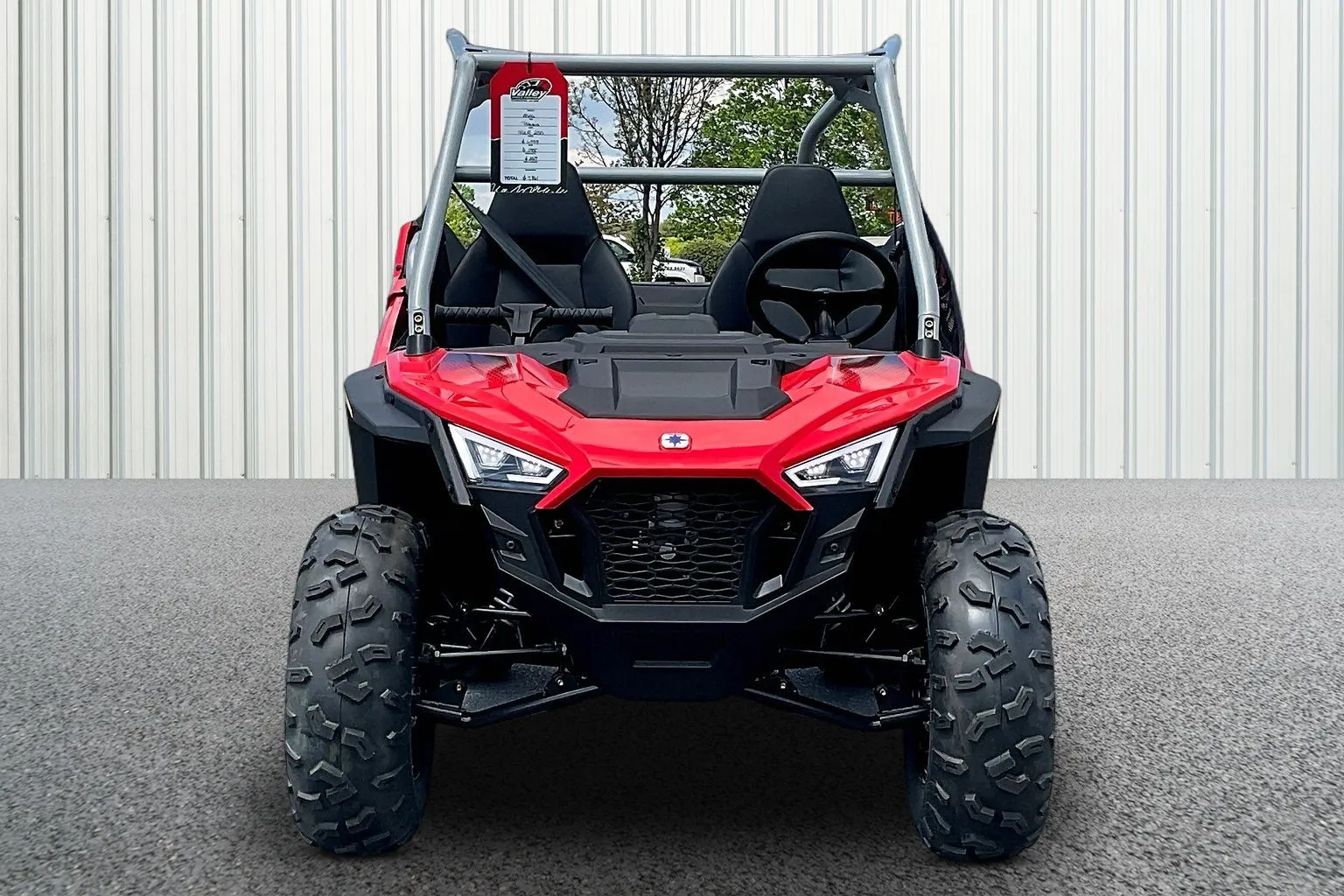
A side-by-side offers a different set of advantages:
- More weight
- Greater comfort
- Room for a passenger
- Cargo capacity
- Available cabs, windshields and heaters on some models
- Better fit for long driveways and larger properties
For a homeowner clearing a moderate driveway, an ATV may be all the machine necessary.
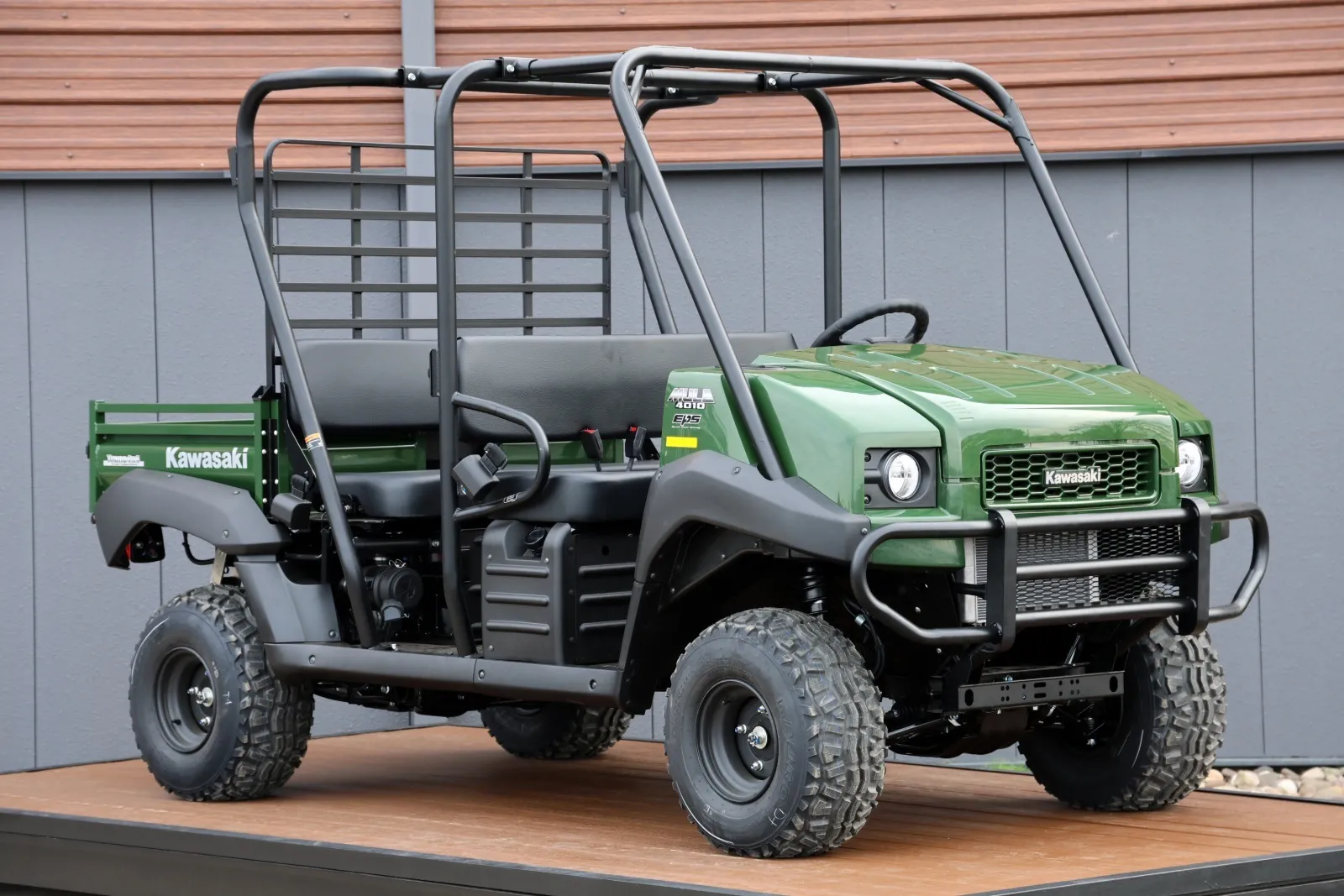
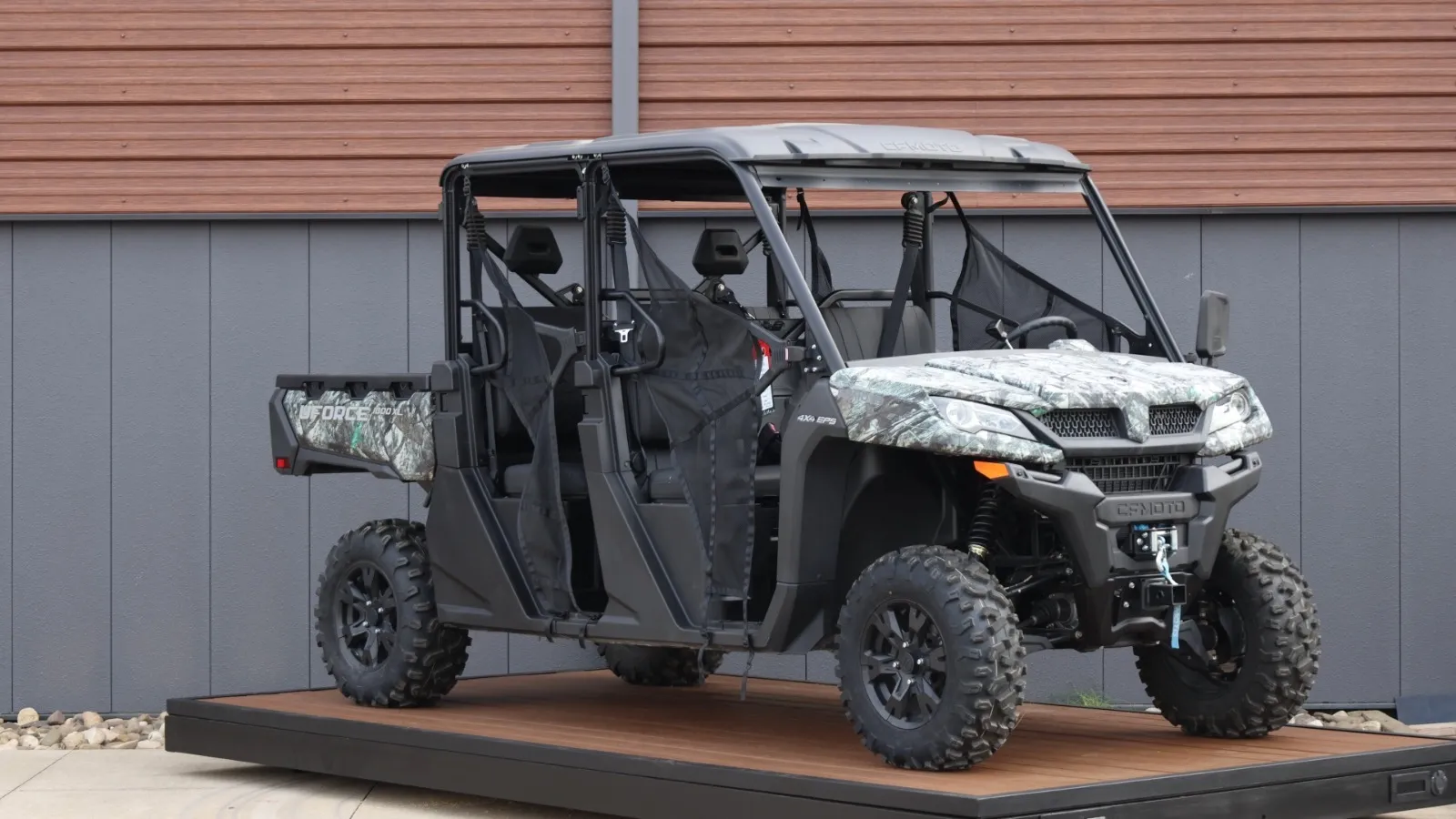
For a farm, commercial property or long rural driveway, a utility side-by-side may be the more comfortable choice.
Four-Wheel Drive Matters
Snow is exactly the kind of situation where four-wheel drive becomes valuable.
As the blade begins accumulating snow, the machine has to push increasing resistance while maintaining traction.
A capable four-wheel-drive system can make a significant difference, particularly when you're working on hills or dealing with wet, heavy snow.
Also, a machine with differential lock will be superior to a machine without it, and is especially helpful with areas with minimal turning (think a long, straight driveway).
Don't Forget the Winch
Many plow systems use a winch to raise and lower the blade.
That means the winch isn't simply an accessory you might use someday—it's part of the plowing system.
If snow plowing is a major reason you're buying the machine, ask about winch capacity and plow compatibility while you're comparing vehicles rather than treating them as an afterthought.
It is also recommended to add a winch with synthetic rope, as opposed to a steel cable. Both WILL break, it’s not “if,” but “when,” and when it happens, tying the rope back to the hook is far easier and more convenient than repairing the cable.
How Wide Should the Plow Be?
Bigger isn't always better.
A wider blade clears more snow on each pass, but it also creates more resistance, creating more strain on the machine, and requires more room to maneuver.
The right width depends on the machine and where you'll use it.
For tighter areas, maneuverability may be more valuable than maximum blade width.
For a long, open driveway, the opposite may be true.
Always use a plow system designed and approved for the machine you're operating.
Tires and Traction Matter
A powerful machine isn't much help if the tires can't find traction.
For serious winter use, consider:
- Tire tread design
- Tire condition
- The surface you're plowing
- Hills or grades
- Whether additional traction equipment is appropriate and approved
A machine used primarily on a flat paved driveway has different needs from one plowing a steep gravel lane.
Regardless of tire choice, a good investment along with your plow are tire chains.
Ground Clearance Is Important—Until the Plow Goes Down
Ground clearance helps when traveling through unplowed snow, but don't choose a machine based on clearance alone.
For plowing, traction, weight distribution, drivetrain, plow compatibility and maneuverability are often more important.
A Cab Can Completely Change the Experience
If you've ever plowed a long driveway during blowing snow, you already understand the appeal of a cab.
A utility side-by-side with a windshield, roof, doors and heat can turn a freezing outdoor chore into a considerably more comfortable job.
That comfort comes at a price, though.
If you only plow for 20 minutes a few times each winter, an ATV may make more financial sense.
If you're clearing acres of property throughout the winter, a cabbed side-by-side can be worth serious consideration.
We recommend power angle set-ups with cabbed machines as manually angling your plow can be tedious.
What Type of Machine Should You Look For?
For snow work, we generally recommend starting with utility-focused ATVs and side-by-sides, not choosing purely on horsepower.
Look for a combination of:
- Four-wheel drive
- Low-speed controllability
- Good traction
- Appropriate plow compatibility
- Winch compatibility
- Maneuverability
- Dealer support for the plow system
- Comfort appropriate for the amount of time you'll spend outside
Nearly every 4x4, utility based ATV or UTV will accommodate a plow, but some perform better than others and it’s important to speak with your sales representative about what other jobs your new machine will perform.
Sometimes, a great plow rig will be an awful hunting rig, but communicating what ALL of your intended purposes are helps to inform our recommendation. We promise there’s a perfect machine for you.
The Bottom Line
The best snow-plowing machine isn't necessarily the biggest ATV or most expensive side-by-side.
It's the machine that fits the property.
For tighter residential work, a 4x4 utility ATV can be an excellent choice.
For long driveways, farms and larger properties, a utility side-by-side—especially one equipped for winter comfort—may be worth the additional investment.
Tell the Valley Cycle Center team what you're plowing, how large the property is and what the terrain looks like, and we can help narrow the choices before you spend money on the wrong setup.